info@scanfill.se
Tel: 0411-170 30
Bronsgatan 8, 271 39 Ystad
Sverige
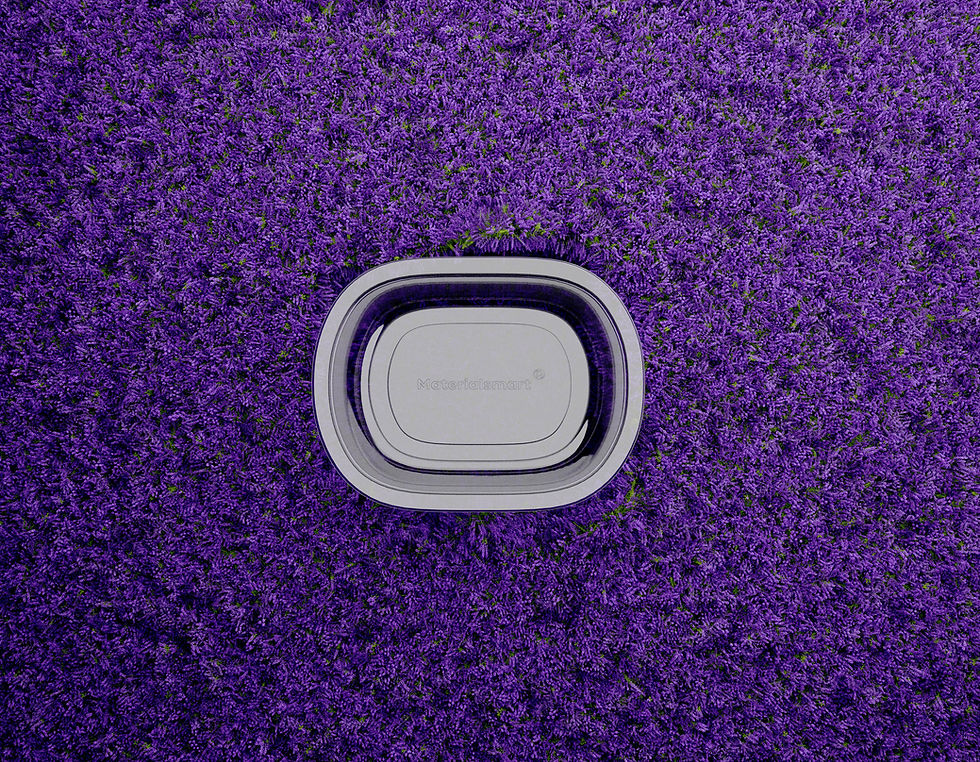
At least 2 kg CO₂e. This is the amount by which you reduce emissions when you choose 1 kg of recycled plastic material instead of 1 kg of newly produced plastic material.
2kg
The material from plastic packaging can be recycled up to seven times before it’s better to burn it and produce energy.
7X
The packaging industry is the biggest user of plastic materials
in the EU.
#1
Biggest user = even greater responsibility
As one of the largest users of plastic, the packaging industry has a responsibility. Meeting that responsibility requires correct information and suggestions for improvement. We can help you with both.
2.
Choose a plastic material that can be recycled
When you choose a plastic material with good recyclability potential, you’re taking end-of-use responsibility. Plastic material is not locked into one type of product, but can be reused across entirely different segments. Thus, a plastic material that was one type of product to start with may well be a different type of product after recycling, and yet a third type after the next recycling, and so on for quite some time.
We call it the Spiral Economy.

3.
Choose a plastic material that consists partly of recycled raw material
Recycled plastic is not what it used to be. Today, recycled goods undergo quality control at both the time of purchase and delivery, often more thoroughly than plastic based on virgin material. By choosing a plastic that consists partly or fully of recycled raw materials, you’re making use of material already in circulation and reducing your carbon footprint.

Recycled
– tomorrow’s business opportunity
Take a step toward 2030
The future will require a reduction in packaging waste, greater reuse and high-quality materials recycling. The packaging industry is already under the spotlight.

Packaging and packaging waste regulation
In line with PPWR
New regulations for packaging and packaging waste will begin to apply in the EU in stages up until 2050, and some of them have already come into force.
In many ways, the EU’s new regulations are the beginning of a more regulated packaging industry, but for us it rather means the continuation of the environmentally responsible and material smart methods we’ve already put to use.
The overarching goal with PPWR is to achieve climate neutrality by 2050.
-
Full lifecycle requirements for packaging in terms of environmental sustainability
-
Targets for reduced packaging waste
-
Targets for greater recycling and reuse
-
Labeling requirements before packaging is approved for release into the market
-
Greater producer reliability
-
A step closer in the transition to a circular economy
-
Minimum share of recycled content in packaging January 1, 2030
-
30% for disposable plastic drinking bottles
-
30% for contact-sensitive packaging made from PET
-
10% for contact-sensitive packaging made from plastic materials other than PET
-
35% for other plastic packaging
Minimum share of recycled content in packaging January 1, 2040
-
65% for disposable plastic drinking bottles
-
50% for contact-sensitive packaging made from PET
-
25% for contact-sensitive packaging made from plastic materials other than PET
-
65% for other plastic packaging
-
Ready for PPWR?
We’ll help you make smart material choices that bring your packaging in line with PPWR.

01
Under our Materialsmart® concept, we’ve brought together the tools necessary for calculating the environmental footprint of the material chosen per kg produced.
02
As much as 60-80 percent of a product’s total carbon footprint comes from the raw material. This is a great opportunity for you to reduce your footprint through your choice of material.
Your packaging must live up to the properties you need. It’s essential. Your packaging must have as small a carbon footprint as possible. To achieve this, you need comparisons. We call it choosing Materialsmart®. Let’s talk material choices.
Choose smart,
Materialsmart
The Materialsmart® calculator
Immediate answer
Together with the Polykemi Group, we’ve developed advanced analysis tools based on comprehensive, third-party verified life-cycle analyses (LCAs) in which we calculate the environmental footprint of all of our materials. As our customer, you have access to the results for your selected material. You also get access to comparisons between different materials to help you find smart material alternatives. You can test a simplified version of the calculator right away. direkt.
